

The term “Ethnic rhinoplasty” refers to the idea that certain noses have specific elements that identify a person’s background, and any elimination of such features could create a nose that does not fit with the rest of one’s face. A common misconception is that the goal is to make the nose look “less” ethnic; this is not the case. As with all rhinoplasty surgery, the goal of an “ethnically conscious” rhinoplasty is simply to achieve the most organic, natural-looking result, while achieving a patients’ desired improvements.
Overall dissatisfaction with the appearance of the nose (presence of a hump, excessive width of both the bridge and nasal tip, droopy tip, and others).
General (most common).
Rhinoplasty incisions are well camouflaged and heal essentially without a trace. Most incisions are placed inside both nostrils. In the “open” approach (most common), an additional incision is made across the columella (a structure situated between both nostrils). These incisions allow to lift of the skin and manipulate both bone and cartilage of the nose to modify its shape and contour. Depending on the ethnic background, reduction or augmentation of the bridge is performed. The nasal tip commonly requires elevation, projection, and some degree of narrowing. At the conclusion of this operation, internal and external splints are placed to ensure the stability of the nose in the immediate after-surgery time frame.
Imaging is performed to help visualize the desired appearance of the nose. Patients are given instructions on medications, dietary restrictions, and aftercare for the nose in the days following the operation.
Ethnic rhinoplasty is an ambulatory procedure, with patients going home on the day of their surgery. 7- 10 days off from work are recommended for the initial stages of healing. The most frequently performed aftercare involves regular icing and application of ointment along suture lines. Nasal dressings, splints, and sutures are removed about 7 days after surgery. With current advances in medications, bruising can be minimal by 7 days.
Overall dissatisfaction with the appearance of the nose (presence of a hump, excessive width of both the bridge and nasal tip, droopy tip, and others).
General (most common).
Rhinoplasty incisions are well camouflaged and heal essentially without a trace. Most incisions are placed inside both nostrils. In the “open” approach (most common), an additional incision is made across the columella (a structure situated between both nostrils). These incisions allow to lift of the skin and manipulate both bone and cartilage of the nose to modify its shape and contour. Depending on the ethnic background, reduction or augmentation of the bridge is performed. The nasal tip commonly requires elevation, projection, and some degree of narrowing. At the conclusion of this operation, internal and external splints are placed to ensure the stability of the nose in the immediate after-surgery time frame.
Imaging is performed to help visualize the desired appearance of the nose. Patients are given instructions on medications, dietary restrictions, and aftercare for the nose in the days following the operation.
Ethnic rhinoplasty is an ambulatory procedure, with patients going home on the day of their surgery. 7- 10 days off from work are recommended for the initial stages of healing. The most frequently performed aftercare involves regular icing and application of ointment along suture lines. Nasal dressings, splints, and sutures are removed about 7 days after surgery. With current advances in medications, bruising can be minimal by 7 days.
Overall dissatisfaction with the appearance of the nose (presence of a hump, excessive width of both the bridge and nasal tip, droopy tip, and others).
General (most common).
Rhinoplasty incisions are well camouflaged and heal essentially without a trace. Most incisions are placed inside both nostrils. In the “open” approach (most common), an additional incision is made across the columella (a structure situated between both nostrils). These incisions allow to lift of the skin and manipulate both bone and cartilage of the nose to modify its shape and contour. Depending on the ethnic background, reduction or augmentation of the bridge is performed. The nasal tip commonly requires elevation, projection, and some degree of narrowing. At the conclusion of this operation, internal and external splints are placed to ensure the stability of the nose in the immediate after-surgery time frame.
Imaging is performed to help visualize the desired appearance of the nose. Patients are given instructions on medications, dietary restrictions, and aftercare for the nose in the days following the operation.
Ethnic rhinoplasty is an ambulatory procedure, with patients going home on the day of their surgery. 7- 10 days off from work are recommended for the initial stages of healing. The most frequently performed aftercare involves regular icing and application of ointment along suture lines. Nasal dressings, splints, and sutures are removed about 7 days after surgery. With current advances in medications, bruising can be minimal by 7 days.
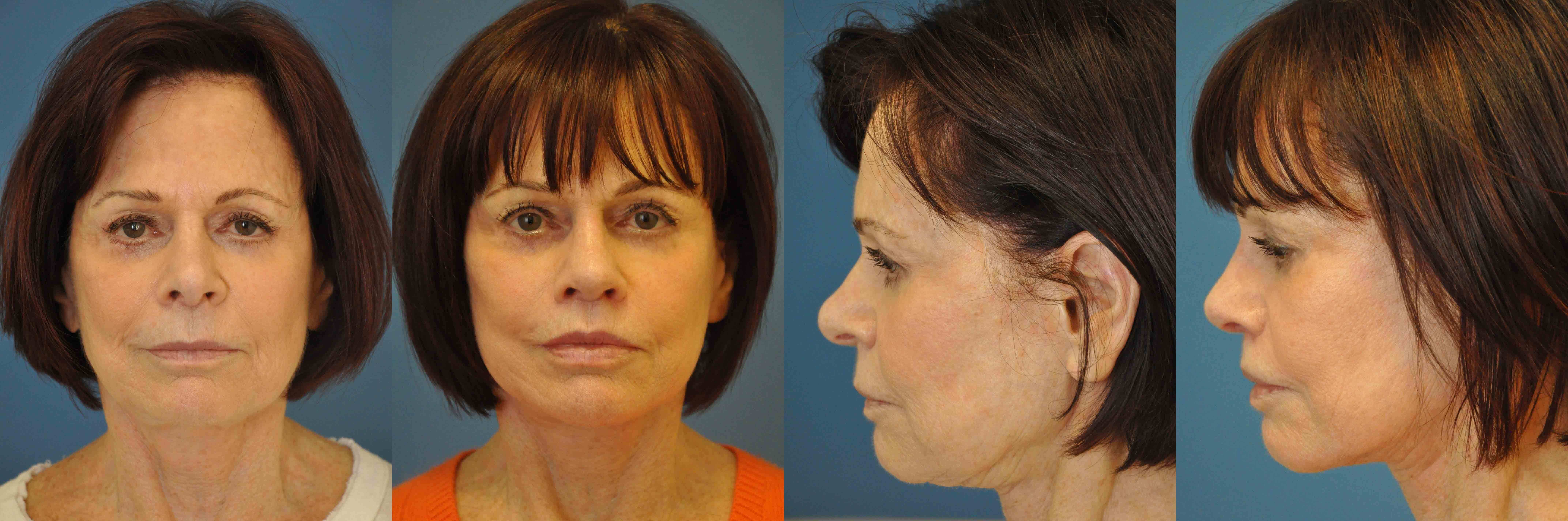
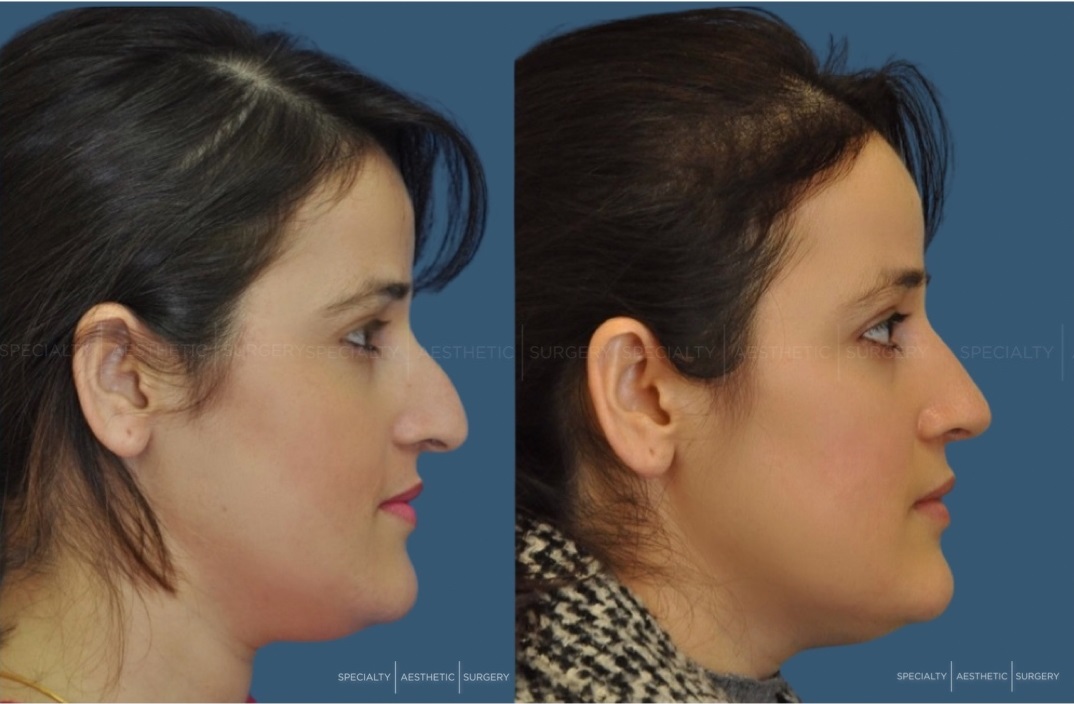
These before and after pictures represent actual patients from SAS. They will help to assist you in understanding your various options and enable you
to set realistic goals for your own surgical outcome.




To confirm your appointment, the full consultation fee of $500 is required at the time of booking. This ensures that your dedicated time with the surgeon is reserved exclusively for you, allowing for a truly personalized experience.
*In order to accommodate our growing waitlist of patients, we kindly request your confirmation of attendance or prompt cancellation within 48 hours of your scheduled appointment. Consultation Fees will not be refunded in the case of a no-show or last-minute cancellation.
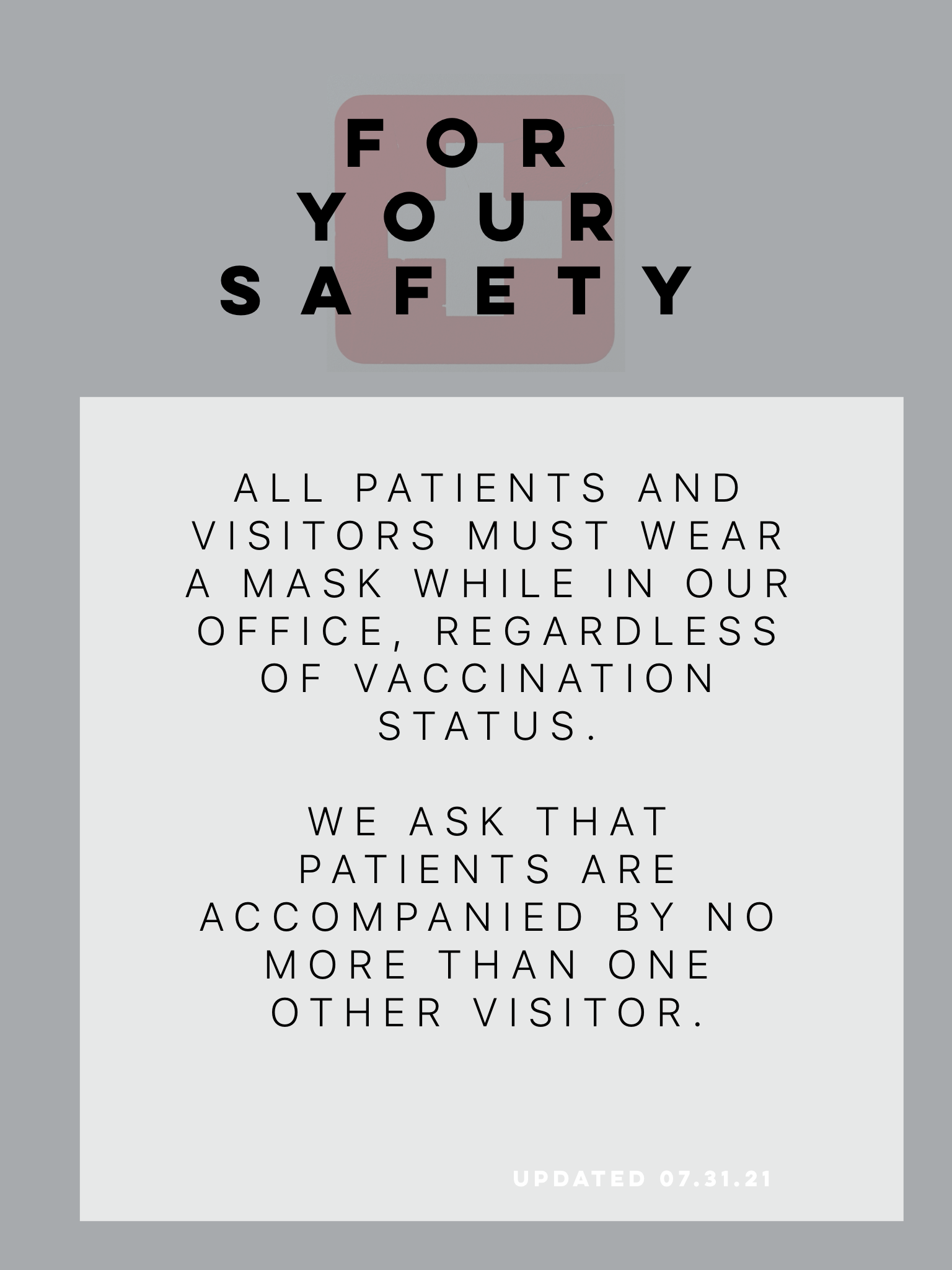
To ensure the safety of all of our patients, staff and visitors, we ask that you comply with the following:
PATIENTS AND VISITORS MUST WEAR A MASK WHILE IN OUR OFFICE, REGARDLESS OF VACCINATION STATUS.
WE ASK THAT PATIENTS ARE ACCOMPANIED BY NO MORE THAN ONE OTHER VISITOR.